Theraputic Paws as an addition to your session
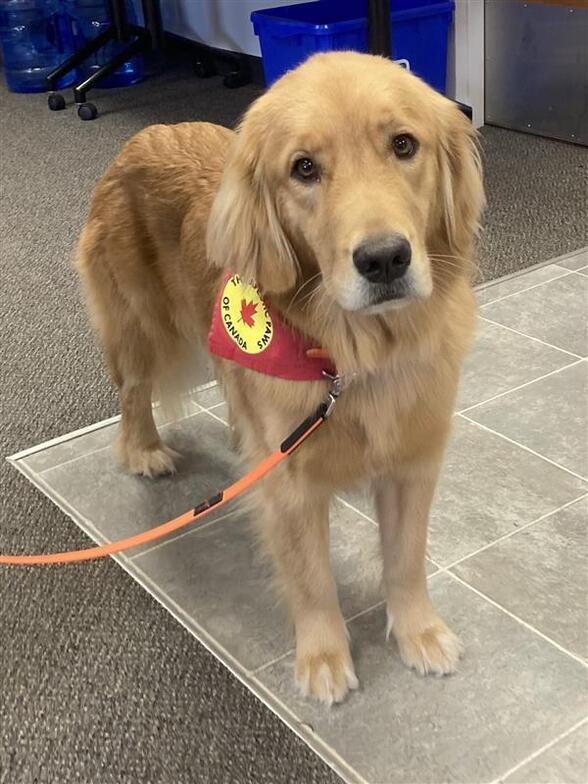

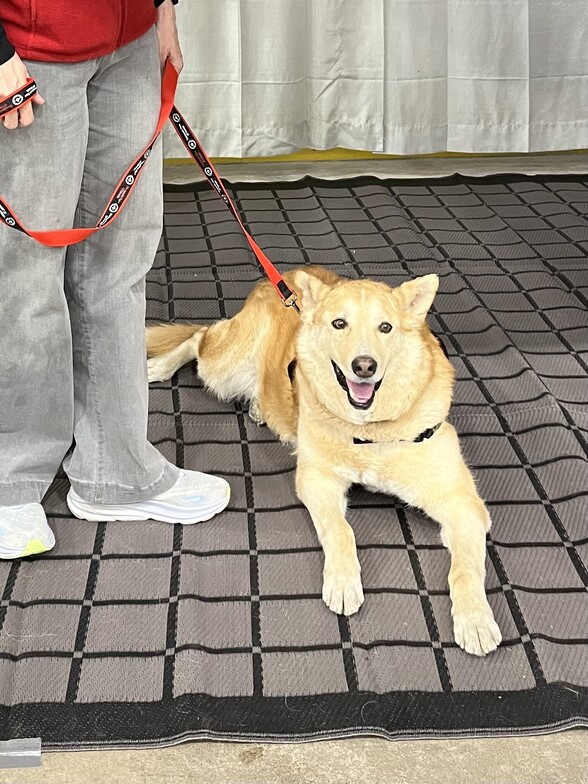
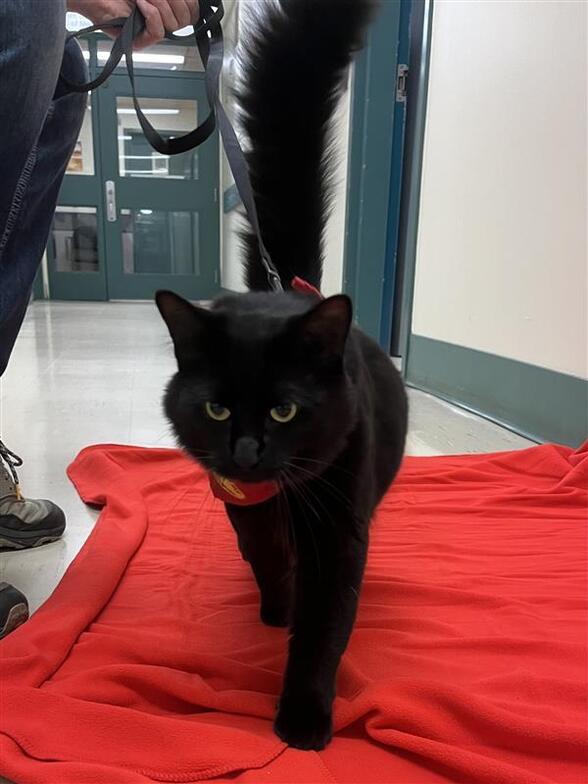




Theraputic Paws as an addition to you session.
Connect directly with your clinician if this is a service you want pre arranged.
Therapeutic Paws of Canada™
“Paws With Love to Share”
Overview of the Organization’s Programs
Registered Charity No. 86535 9350 RR0001
Therapeutic Paws of Canada™ (TPOC) was incorporated in 2002 and is a not-for-profit registered charity providing Pet Therapy services to communities across Canada.
The medical establishment has recognized the significant benefits of interaction with pets. Studies have shown that there are many physical benefits, as well as positive emotional changes and increased feelings of well-being.
TPOC is proud of the programs that our 500+ members provide to communities throughout Canada. TPOC provides free, safe Pet Therapy visits through a variety of structured programs.
Each member must take part in a temperament evaluation with their pet, submit a clear vulnerable person police record check, provide three references, and be shadowed on multiple monitored visits.
Of the 500+ members, many have earned the additional qualification of being acknowledged as Child Certified, allowing them to work in our Children’s Programs.
Below, you will find a short description of both the adult and children’s programs offered by Therapeutic Paws of Canada.
TPOC PAWS Room
Schools and larger groups are offered the PAWS Room program. Corporations, companies, Alzheimer day programs, hospitals, and government staff appreciate visits from TPOC therapy pets.
Therapy pets are considered an important element of employee wellness campaigns. TPOC members also visit many secondary schools, colleges, and universities through this larger-format setting.
These visits are most often requested during exams and during periods of high stress, such as following a traumatic incident. The presence of a therapy pet helps reduce students’ stress levels and provides an opportunity to focus on something positive during what may otherwise be a difficult time for students.
PAWS Room visits can also reduce feelings of loneliness for students while they are living away from family and their own pets during the school year.
Paws for Comfort
Therapeutic Paws of Canada is proud to offer the Paws for Comfort program.
This program has been designed for visitation with first responders, courtrooms, shelters, hospices, disaster sites, grief/loss support, school crisis support, and wherever there is a need.
With the increased recognition of the need for health and wellness support throughout our emergency services, schools, and communities, this program is quickly becoming a valuable resource for service providers.
Paws-Abilities
Therapeutic Paws of Canada offers the Paws-Abilities programs for people of all ages to explore their full “paws-ability” to reach their goals.
TPOC believes in bringing the fun and joy back into tasks that may be incredibly difficult. Our teams work with mental, physical, emotional, and trauma-induced disabilities.
We tailor our programs to the individual needs of the person. Some visits focus on social interaction, some on physical motivation in physiotherapy, and some on attentiveness and calming.
Simply having a Pet Therapy team present takes the focus off the task at hand and directs it toward the interaction between the person and the pet.
No matter the goal, the outcomes are always positive and bring the fun factor into the challenges of the person’s regular therapy.
Support Pet Program
The Support Pet Program is a partnership between Therapeutic Paws of Canada (TPOC) and a Partnering Organization, such as the judicial system, a police agency, or a Provincial Ministry of the Attorney General.
This program is specifically designed as an emotional support program for victims and/or witnesses through Victim Witness Assistance Programs and Police Agencies.
In all cases, a signed Agreement is required.
Support Pet services are provided on a priority basis to the most vulnerable victims and witnesses of violent crime, such as:
- Victims of abuse/domestic violence
- Child abuse victims
- Elder abuse victims
- Victims of sexual assault
- Victims of human trafficking
- Victims of hate crimes
- Families of motor vehicle fatalities
- Families of homicides